Separate What You Control From What You Don’t
Use the Stoic dichotomy of control to separate judgments, decisions, and actions from outcomes. Includes two workplace examples and a four-step drill.
How to Challenge Your Own Decision Before You Commit
Test your preferred option against assumptions, plausible failures, contrary evidence, and effects on other people. A worked example shows how to revise the commitment.
How to Say No to More Work When Your Team Is Already Full
Explain a capacity shortfall without hiding the tradeoff. A worked team example, practical scripts, and options for changing scope, deadlines, or priorities.
How to Have a Difficult Conversation at Work Without Losing the Point
Prepare for a difficult workplace conversation with a clear opening, room for the other person’s account, and an agreement you can follow up. Includes a fictional missed-deadline example.
Speed Is Not Haste
Separate real urgency from pressure before acting. Move quickly without surrendering judgment, evidence, or the checks the decision still requires.

When a Meeting Mistakes Closure for Clarity
A meeting can end without producing a clear decision. Surface assumptions, unresolved questions, ownership, and the next required action.
When Relief Becomes the Goal
Pressure can make relief feel like success. Examine what a decision must accomplish before discomfort pushes you toward an answer that solves the wrong problem.
Information Is Not Understanding
Turn information into a useful assessment by weighing evidence, identifying gaps, testing assumptions, and explaining the confidence behind your judgment.
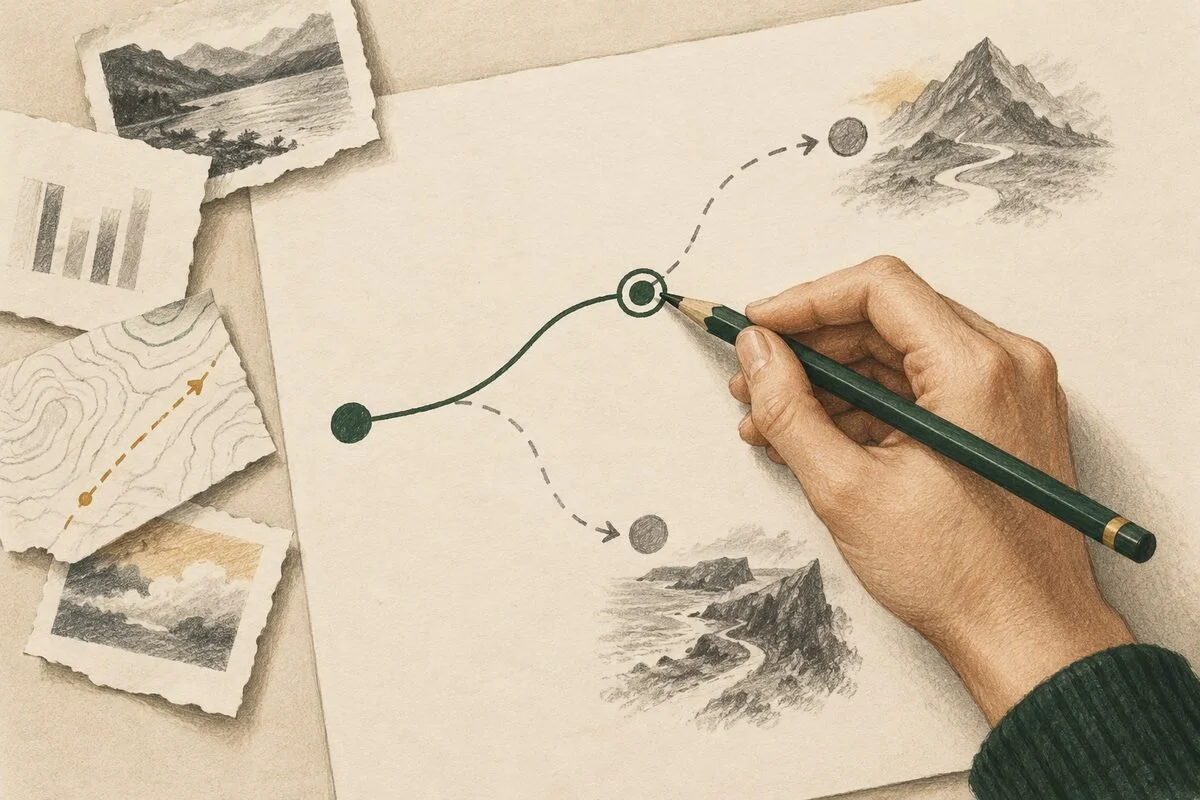
How to Decide Before Certainty Arrives
A five-part method for matching action to the evidence, separating facts from assumptions, and setting clear conditions for review.

The Angry Reply Usually Solves the Wrong Problem
Before replying in anger, identify what the response needs to achieve. Keep the objective in view when frustration is pushing you to react.
Strategy Fails When the Mental Model Stops Changing
A successful strategy can outlive its assumptions. Learn how changing evidence should update your mental model before it distorts the next decision.
The Question That Separates Motion from Progress
Busy teams can mistake activity for progress. Clarify what the work changes, which decision it enables, and what evidence would demonstrate improvement.
When Activity Becomes a Substitute for Leadership
Repeated firefighting can hide deeper problems. Examine recurring failures, clarify authority, and reduce your team’s dependence on last-minute rescue.
Why Stoicism Still Matters for Modern Leaders
Explore how Stoic discipline helps modern leaders examine anger, fear, status, and uncertainty before responding to pressure at work.